
Cultural differences in gambling understanding the diverse approaches worldwide
Global Perspectives on Gambling
Gambling is a multifaceted activity that varies significantly across different cultures. In some societies, it is seen as a form of entertainment and a social activity, while in others, it can be perceived as a vice or a moral failing. Understanding these cultural contexts is crucial to grasp how gambling practices evolve and are accepted in various regions. Many people enjoy games of chance like blackjack and often seek to find the best online casino real money options available online for their entertainment.
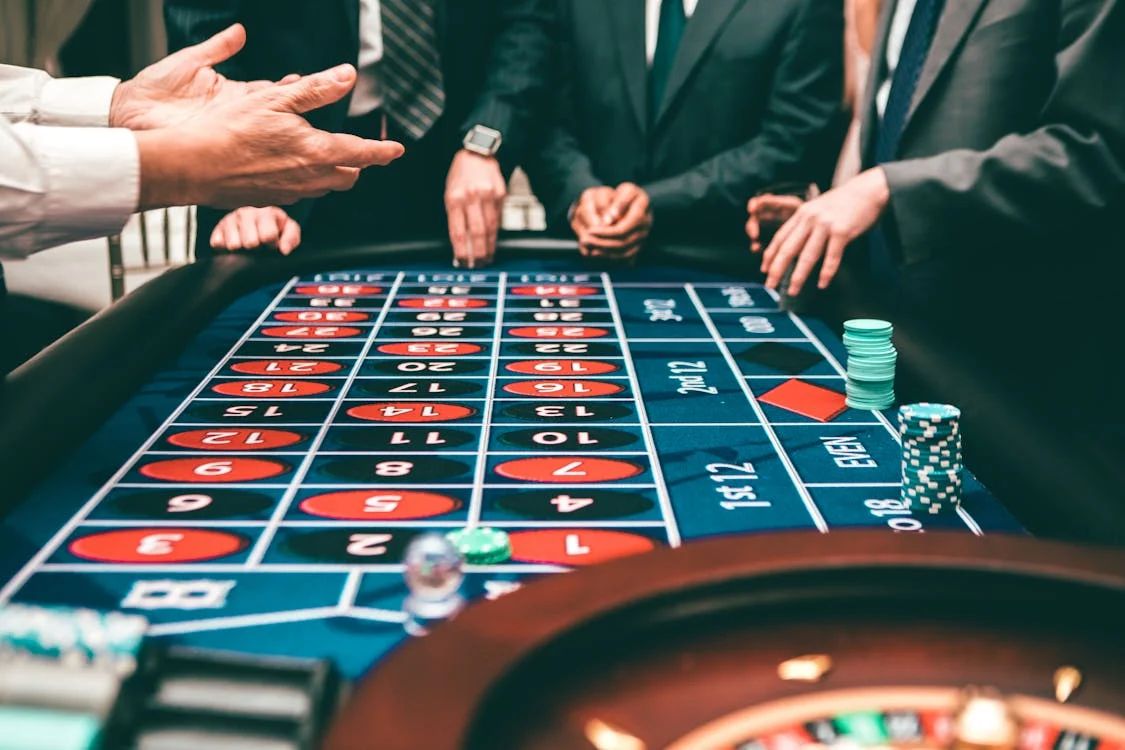
The historical background of gambling in different countries plays a vital role in shaping societal attitudes. For example, in places like Las Vegas and Macau, gambling is not only legal but also a significant driver of tourism and economic development. Conversely, in countries where gambling is prohibited or heavily regulated, such as many in the Middle East, public perception can be overwhelmingly negative, often linked to issues of addiction and morality.
The Role of Luck and Skill
In gambling, the interplay of luck and skill varies greatly by culture. For instance, in Western cultures, games like poker emphasize strategic thinking and skill, allowing players to leverage their knowledge to influence outcomes. Here, the belief in skill as a determinant of success can lead to a more competitive atmosphere where players take pride in their abilities.
In contrast, many traditional forms of gambling, particularly in Asian cultures, often emphasize luck over skill. Games such as Pai Gow or Mahjong are steeped in cultural significance and are frequently played in communal settings, focusing more on luck and social interaction than on competitive skill. This distinction shapes how different societies engage with gambling activities.
Legal Frameworks and Regulations
The legal environment surrounding gambling differs remarkably from one country to another. Some nations have embraced and regulated gambling, creating robust frameworks that allow for various forms of betting and gaming. This regulation not only ensures fairness but also safeguards against potential abuses, such as gambling addiction.
Conversely, in countries where gambling is restricted or illegal, underground markets often flourish, leading to issues of safety and fairness. These legal disparities illustrate how cultural beliefs and values influence government policies on gambling and its social acceptance.
Socioeconomic Impacts of Gambling
Gambling can have significant socioeconomic effects on communities. In regions where it is legalized and regulated, gambling can generate substantial tax revenue and create job opportunities. This financial benefit can lead to improved public services and infrastructure, which, in turn, can enhance the quality of life for residents.
However, in societies where gambling is stigmatized or illegal, the lack of regulation can lead to negative social consequences, such as increased crime rates and public health issues related to addiction. Understanding these impacts requires a nuanced view that takes into account not just the economic factors but also the cultural and social dimensions of gambling.
Your Trusted Source for Gambling Insights
At our website, we are dedicated to providing you with comprehensive insights into the world of gambling. Our platform focuses on highlighting the cultural differences and nuances that shape gambling practices across the globe. We strive to foster a deeper understanding of the diverse approaches that people take towards gambling, promoting informed discussions and responsible practices.
Your safety and security while exploring this topic is our priority. We ensure that our content is not only informative but also aligns with ethical standards, helping you navigate the complexities of gambling with confidence. Join us as we delve into the fascinating world of gambling from multiple perspectives.